HLT-MLMD
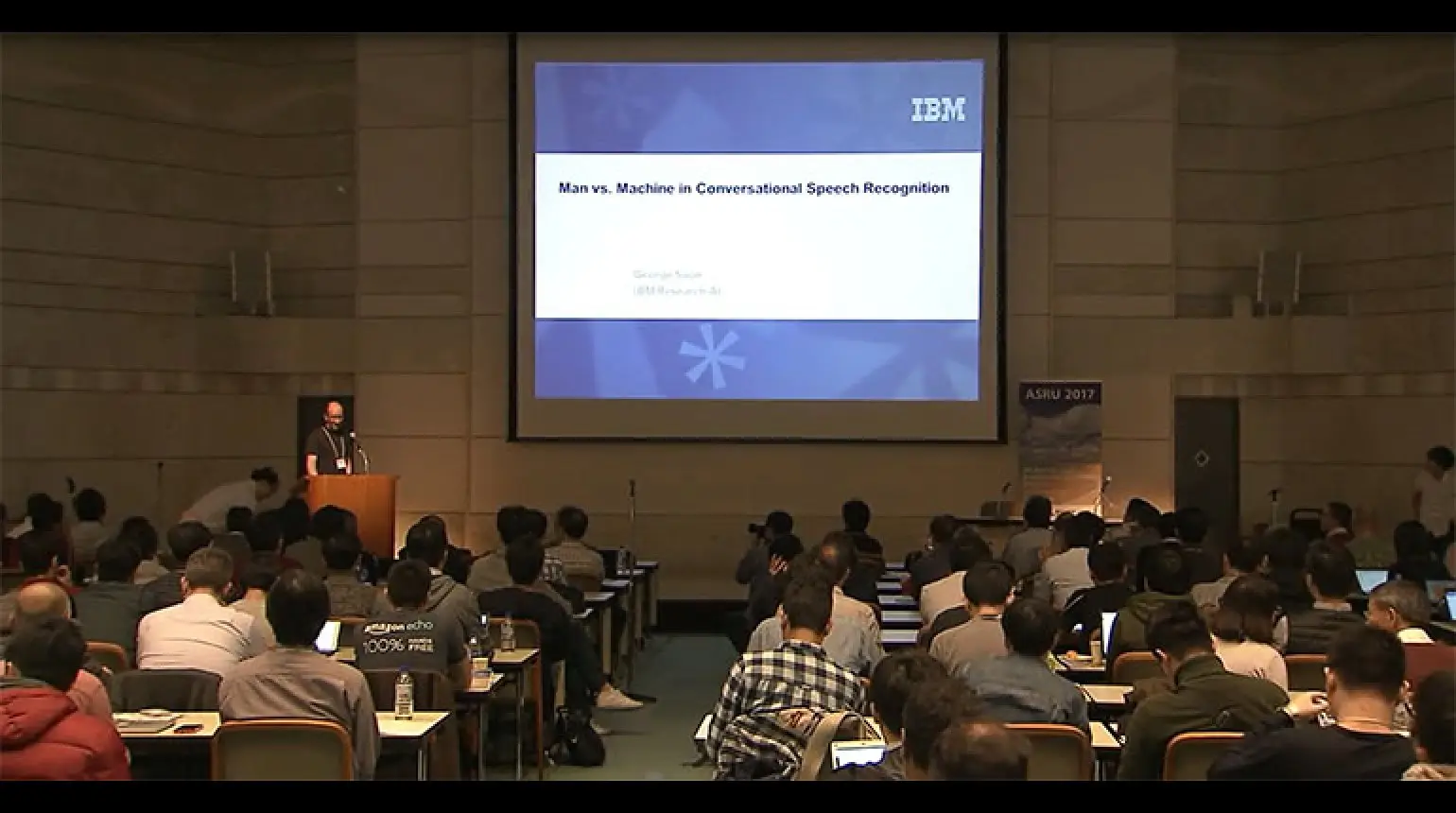
Man vs. Machine in Conversational Speech Recognition
Date
We live in an era where more and more tasks, once thought to be impregnable bastions of human intelligence, have succumb to AI. Are we at the cusp where ASR systems have matched expert humans in conversational speech recognition? We try to answer this question with some experimental evidence on the Switchboard English conversational telephony corpus. On the human side, we describe some listening experiments that established a new human performance benchmark. On the ASR side, we discuss a series of deep learning architectures and techniques for acoustic and language modeling that were instrumental in lowering the word error rate to record levels on this task.
Duration
0:59:34
Subtitles
✖
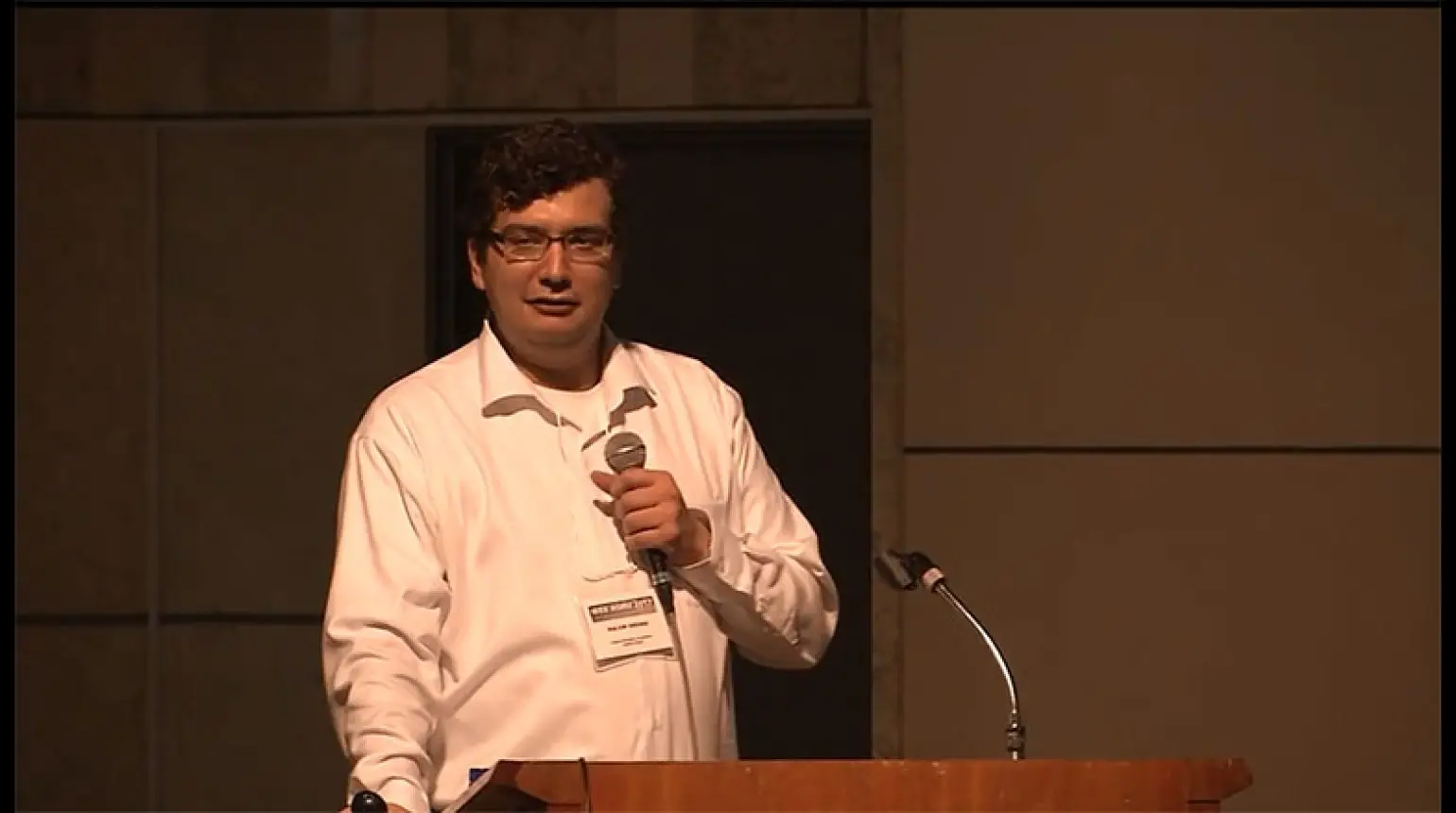
Representation, Extraction, and Visualization of Speech Information
Date
The speech signal is complex and contains a tremendous quantity of diverse information. The first step of extracting this information is to define an efficient representation that can model as much information as possible and will facilitate the extraction process. The I-vector representation is a statistical data-driven approach for feature extraction, which provides an elegant framework for speech classification and identification in general. This representation became the state-of-the-art in several speech processing tasks and has been recently integrated with deep learning methods. This talk will focus on presenting variety of applications of the I-vector representation for speech and audio tasks including speaker profiling, speaker diarization and speaker health analysis. We will also show the possibility of using this representation to model and visualize information present in deep neural network hidden layers.
Duration
1:02:30
Subtitles
✖
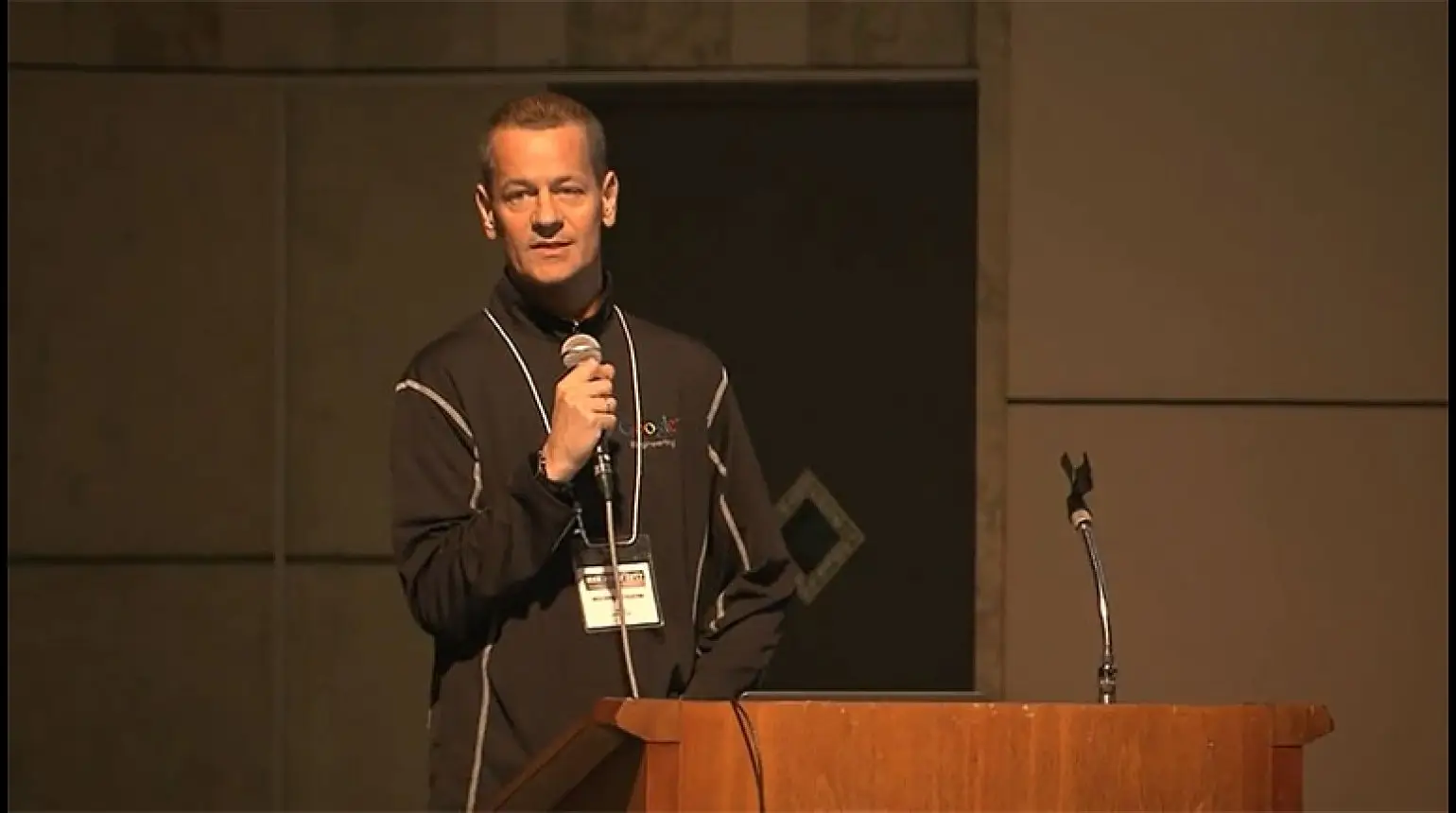
Moving to Neural Machine Translation at Google
Date
Machine learning and, in particular, neural networks, have made great advances in the last few years for products that are used by millions of people, most notably in speech recognition, image recognition, and recently in neural machine translation. Neural Machine Translation (NMT) is an end-to-end learning approach for automated translation, with the potential to overcome many of the weaknesses of conventional phrase-based translation systems. Unfortunately, NMT systems are known to be computationally expensive both in training and in translation inference. Also, most NMT systems have difficulty with rare words. These issues have hindered NMT's use in practical deployments and services, where both accuracy and speed are essential. In this work, we present GNMT, Google's Neural Machine Translation system, which addresses many of these issues. The model consists of a deep LSTM network with 8 encoder and 8 decoder layers using attention and residual connections. To accelerate final translation speed, we employ low-precision arithmetic during inference computations. To improve handling of rare words, we divide words into a limited set of common subword units for both input and output. On the WMT'14 English-to-French and English-to-German benchmarks, GNMT achieves competitive results to state-of-the-art. Using human side-by-side evaluations it reduces translation errors by more than 60% compared to Google's phrase-based production system. The new Google Translate was launched in late 2016 and has improved translation quality significantly for all Google users.
Duration
1:10:54
Subtitles
✖